SWPPP Services Break Ground With Your Permit Covered
Disturb an acre or more and the stormwater rules apply before the first scraper moves. Magrym prepares the SWPPP, files the coverage, and designs the erosion controls for construction sites across Midland and the Permian Basin, so the schedule starts covered and stays covered.
Stormwater Compliance That Keeps Dirt Moving
A Stormwater Pollution Prevention Plan is the compliance document behind nearly every construction project. In Texas, construction that disturbs one acre or more needs coverage under the TCEQ Construction General Permit, and the SWPPP is the plan that earns it: the site map, the erosion and sediment control measures, the inspection schedule, and the practices that keep soil on the site and out of the drainage.
The risk is not abstract. Grading without coverage, a missing site notice, or controls that exist in the plan but not on the ground expose the owner and the contractor to enforcement, and a stop order stalls every trade on the job. The plan has to be in place before disturbance starts, which makes the SWPPP a schedule item, not an afterthought.
Magrym prepares SWPPPs alongside the grading and drainage design, which is where they belong. Because we engineer the site, our SWPPP services put the erosion controls on the actual drainage patterns and construction sequence, the maps come from our own survey data, and the plan is ready when the pad is. You talk directly to the licensed Texas Professional Engineer who knows your site.
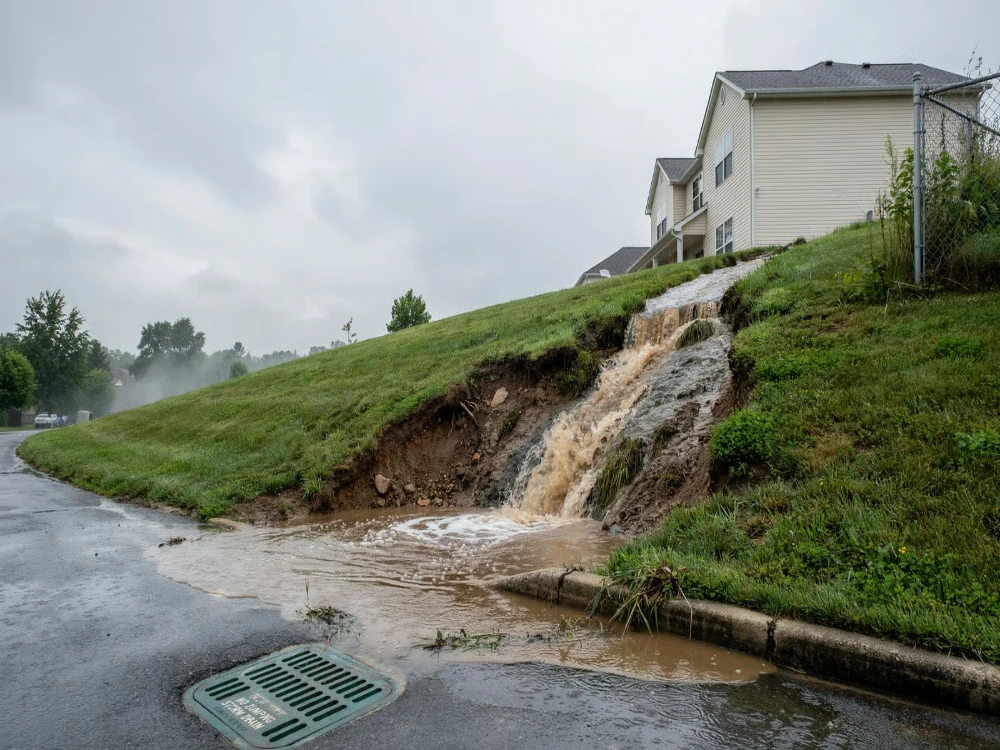
Stormwater Coverage, Start to Stabilization
From the first applicability check to the notice of termination, we carry the construction stormwater compliance through the project.
Construction SWPPP Development
We prepare the full SWPPP the Construction General Permit requires: site description, receiving waters, controls, sequencing, and inspection procedures, written for the site you are actually building.
- Written to the TCEQ general permit
- Site-specific control selection
- Construction sequencing built in
Permit Coverage and Filings
We determine what coverage the project needs and handle the paperwork: the Notice of Intent, site notices, operator designations, and the notice of termination when the site stabilizes.
- Applicability determination
- NOI and site notice filings
- Notice of termination at closeout
BMP and Erosion Control Design
Controls only work when they match the drainage. We design the silt fence, inlet protection, check dams, and stabilized entrances around how the site actually sheds water.
- Erosion and sediment control design
- Inlet and outfall protection
- Stabilization planning
SWPPP Site Maps
The map is the heart of the plan. Built on our own survey and grading data, our maps show the drainage, the disturbance, and the controls accurately enough to build from.
- Drainage and disturbance mapping
- Control location plans
- Phased map updates
Inspections and Compliance Support
The permit requires routine and post-rain inspections with records to prove them. Our SWPPP inspection services set up the program and support the site through compliance questions and agency contact.
- Inspection program setup
- Records and documentation
- Agency response support
Industrial Stormwater Permitting
Operating facilities carry their own obligations under the Multi-Sector General Permit. We assess applicability and prepare the industrial stormwater plans and filings those sites need.
- Multi-sector permit applicability
- Industrial SWPPP development
- No-exposure certifications
Who Relies on Our Stormwater Plans
Every project that moves dirt needs the coverage in place before it starts.
Contractors and Builders
The operator on the ground carries the compliance burden every day. We give contractors a SWPPP that is buildable, inspectable, and ready before mobilization.
Developers and Owners
Owners share operator responsibility under the general permit. We keep the coverage, the notices, and the terminations clean so the project never trades schedule for paperwork.
Energy and Industrial
Pads, facilities, and lease construction across the Permian Basin disturb ground like any other site. We handle construction coverage and the operating permits that follow it.
Municipal and Public
Public projects answer for their stormwater obligations in full view. We act as the stormwater compliance consultant delivering the plans, inspections, and records that keep agency work defensible.
The SWPPP and the Site Design, One Firm
A SWPPP bought from a paperwork mill does not match the grading plan, and the gap shows up during an inspection. Magrym is the SWPPP consultant Midland TX builders use because we engineer the site and the stormwater plan together, so the controls fit the drainage and the schedule from day one.
- Licensed Texas Professional Engineers
- SWPPP built with the grading and drainage design
- Site maps from our own survey data
- You talk directly to the engineer on your project
- HUB and DBE certified, Minority-Owned
From Applicability to Termination
A clear path, run by the same engineer, timed to your construction schedule.
Scope and Applicability
We confirm the disturbed acreage, the receiving waters, and the coverage the project needs. Fixed-fee proposal up front, timed to your start date.
SWPPP and Controls
We prepare the plan and select the Best Management Practices for erosion and sediment around the grading, the drainage, and the construction sequence.
Coverage and Kickoff
Notices filed, site postings ready, inspection program in place. The project breaks ground with its coverage complete.
Through Construction
We support inspections and plan updates as the site changes, then file the termination when stabilization is reached.
Frequently Asked Questions
It is a Stormwater Pollution Prevention Plan, the site-specific document describing how a construction site will keep sediment and pollutants out of the stormwater leaving the property. It covers the site map, the receiving waters, the controls that will be installed, the sequence in which disturbance and stabilization happen, the inspection schedule, and who is responsible for each part. The plan is kept on site and it has to reflect the site as it currently stands, not as it looked at design.
When construction disturbs one acre or more, or when a smaller site forms part of a larger common plan of development that reaches one acre. Coverage comes through TXR150000, the TCEQ general permit issued under the Texas Pollutant Discharge Elimination System. The plan has to be in place and the coverage filed before disturbance begins. Smaller sites carry reduced filing obligations, but the plan requirement still applies.
Both the owner and the contractor typically hold operator status, and each carries its own obligations. The owner generally controls the plans and specifications. The contractor generally controls day to day site operations, which means inspections, records, and control maintenance usually fall to the crew on the ground. Responsibility is assigned in writing through operator designations, and enforcement can reach either party, which is why those designations should be explicit rather than assumed.
Controls go in before disturbance, inspections run on the schedule the permit sets and after qualifying rainfall, deficiencies are corrected within the time the permit allows, and the records stay on site. The plan is updated as phases change, as controls are added or removed, and as areas reach stabilization. When the site is stabilized, the notice of termination closes out the coverage. A plan that sits in a binder untouched for the whole job is a finding waiting to happen.
No, although they are related and they should agree with each other. A drainage plan is engineering: where the water goes, how much of it there is, and what conveys it. A SWPPP is compliance: how sediment and pollutants are kept out of that water while the site is being built. One is about capacity and conveyance, the other is about water quality and documentation. Magrym produces both, which is why the controls in our plans sit where the water actually runs.
Yes, and it produces a better plan. When one firm holds the survey, the grading design, and the stormwater plan, the site map is accurate, the controls match the real drainage patterns, and the sequencing in the plan matches the sequencing in the drawings. Plans assembled from a template by a firm that has never seen the grading are where inspection findings come from.
Breaking Ground in West Texas?
Get a SWPPP that is ready when the dirt is. Magrym provides SWPPP services in Midland, TX, prepared alongside the grading and drainage design, with the filings handled and the inspection program set up before you break ground. Call (432) 999-2737 to get a fixed fee proposal this week.